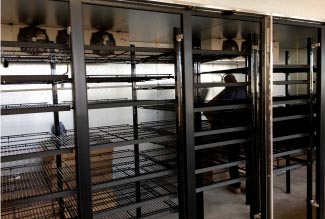
In today’s fast-paced commercial environment, refrigeration systems are more than just equipment; they are the backbone of operations for restaurants, supermarkets, medical facilities, warehouses, and retail businesses. When refrigeration fails, the consequences are immediate: spoiled inventory, health risks, lost revenue, and damaged reputation.
That’s why commercial refrigeration monitoring is no longer optional. It is a critical business safeguard that ensures reliability, efficiency, and compliance. Companies that treat monitoring as a priority protect their assets, customers, and bottom line, while those that ignore it risk costly disruptions.
Protecting Inventory and Preventing Loss
Temperature-sensitive goods require strict storage conditions. Even small fluctuations can lead to food spoilage, pharmaceutical damage, or product contamination. Continuous monitoring ensures that refrigeration systems maintain the proper temperature range at all times.
Automated monitoring platforms track temperatures around the clock and immediately alert staff when conditions change. This rapid response prevents inventory loss and reduces waste, especially during off-hours when problems might otherwise go unnoticed. Continuous monitoring also provides digital records that verify storage conditions for quality assurance and auditing purposes.
Ensuring Food Safety and Regulatory Compliance
Health and safety regulations demand strict temperature control for food and pharmaceutical storage. Improper refrigeration can result in health violations, fines, or even forced closure. Monitoring systems help businesses stay compliant by maintaining accurate temperature logs and providing proof of safe storage conditions.
Many regulations require businesses to document temperature records and demonstrate preventive controls. Monitoring systems automatically store this information, making inspections smoother and reducing compliance stress. Continuous tracking also ensures that products remain safe for consumption by preventing bacterial growth caused by temperature fluctuations.
Preventing Downtime Through Early Detection
Commercial refrigeration equipment runs continuously, making it vulnerable to wear, component failure, or refrigerant leaks. Without monitoring, problems often remain unnoticed until the system fails.
Modern monitoring systems detect warning signs early, such as temperature instability, unusual compressor cycles, or rising energy consumption. These insights allow technicians to fix issues before they escalate into costly emergencies. Early intervention can extend equipment lifespan by several years and reduce expensive replacements.
Preventive maintenance enabled by monitoring keeps businesses running smoothly and minimizes costly disruptions.
Reducing Energy Costs and Improving Efficiency
Refrigeration systems are among the largest energy consumers in commercial facilities, often running 24 hours a day. Inefficient equipment, faulty components, or incorrect temperature settings can dramatically increase electricity usage.
Monitoring platforms analyze performance data and identify inefficiencies across units, allowing facility managers to optimize settings and detect underperforming equipment. Studies show that monitoring and energy tracking can reduce refrigeration energy costs by up to 15–25 percent.
In an era of rising energy prices, these savings make monitoring a smart financial decision as well as an operational one.
Enabling Remote Visibility and Control
One of the biggest advantages of modern refrigeration monitoring is remote access. With cloud-based systems, managers can view equipment performance, receive alerts, and analyze trends from any location.
This centralized visibility is particularly valuable for businesses operating multiple locations. Instead of relying on manual checks, managers can oversee all refrigeration units from a single dashboard and respond instantly to issues. Real-time data reduces uncertainty and ensures consistent performance across facilities.
Remote monitoring transforms refrigeration management from reactive to proactive, giving businesses greater control and confidence.
Supporting Predictive Maintenance Strategies
Traditional maintenance approaches rely on scheduled inspections or emergency repairs after failures occur. Monitoring changes in this model by enabling predictive maintenance.
Continuous data collection reveals trends that indicate developing problems, such as increased compressor runtime or fluctuating temperatures. Addressing these early signs prevents sudden breakdowns and protects inventory. Predictive maintenance also lowers service costs by avoiding emergency repairs and extending system life.
For businesses focused on long-term performance, predictive maintenance is a competitive advantage.
Strengthening Business Reputation and Customer Trust
Customers expect businesses to maintain safe products, clean environments, and consistent quality. A refrigeration failure can quickly damage brand reputation, especially if it results in spoiled food or unsafe products.
Monitoring demonstrates professionalism and commitment to quality. By ensuring products remain fresh and safe, businesses protect their reputation and build customer confidence. Reliable refrigeration also supports smoother operations, which translates into better service and stronger brand loyalty.
How Professional Support Makes the Difference
While monitoring technology is powerful, its effectiveness depends on proper installation, maintenance, and response planning. Partnering with experienced HVAC and refrigeration professionals ensures systems are calibrated correctly and integrated into a broader maintenance strategy.
At AC&R Services, we understand that commercial refrigeration is critical to business success. Our team provides reliable service, maintenance plans, and technical expertise designed to keep your systems performing at their best. Routine inspections, system optimization, and expert repairs help businesses avoid unexpected failures and maintain efficient operations.
Combining professional service with modern monitoring technology creates a powerful defense against operational risks.
Final Thoughts
Commercial refrigeration monitoring is not just a technological upgrade; it is a business necessity. From protecting inventory and ensuring compliance to reducing energy costs and preventing downtime, monitoring delivers measurable value across every aspect of operations.
In a world where equipment runs continuously and customer expectations remain high, relying on manual checks or reactive maintenance is no longer enough. Businesses that invest in monitoring gain visibility, control, and peace of mind, while those that don’t leave their operations vulnerable to costly surprises.
FAQs
- What is commercial refrigeration monitoring?
Commercial refrigeration monitoring tracks temperature, performance, and system health in real time to prevent failures and maintain safe storage conditions. - Why is refrigeration monitoring important for businesses?
It protects inventory, prevents food spoilage, reduces downtime, and ensures compliance with safety regulations, helping businesses avoid costly losses. - Can monitoring systems reduce energy costs?
Yes. Monitoring identifies inefficiencies, faulty components, and incorrect settings, helping businesses optimize performance and lower energy consumption. - Does refrigeration monitoring help with inspections and compliance?
Absolutely. Monitoring systems store temperature logs and performance data, making it easier to prove compliance during health or safety inspections. - Who should install and maintain refrigeration monitoring systems?
Professional HVAC and refrigeration experts like AC&R Services ensure proper setup, calibration, and ongoing support for reliable results.