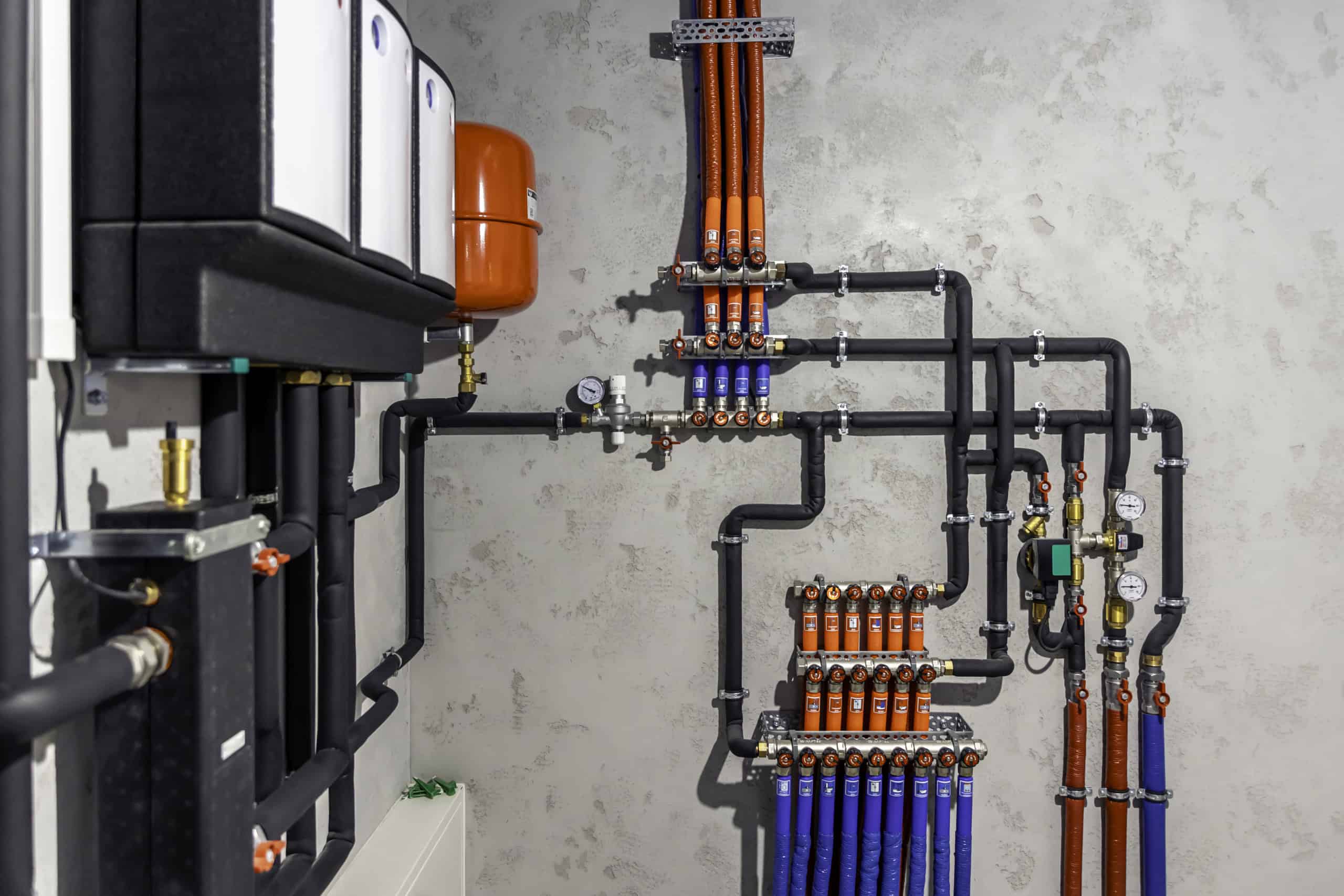
Boiler leaks can start small but quickly turn into serious problems if ignored. From rising energy bills to water damage and system breakdowns, a leaking boiler is something you should never overlook. The key is to understand why leaks happen and take the right steps to fix them before they worsen. With expert support from AC&R Services, you can keep your heating system running safely and efficiently.
Why Boiler Leaks Happen in the First Place
Boilers operate under high pressure and constant heat, which naturally causes wear and tear over time. When components weaken or fail, water begins to escape from the system. In many cases, leaks are not caused by a single issue but a combination of pressure imbalance, aging parts, and lack of maintenance.
The Most Common Causes Behind Boiler Leaks
Pressure Imbalance Inside the System
Too much pressure puts stress on internal components, forcing water out through valves or weak joints. On the other hand, unstable pressure can also damage seals over time, leading to leaks.
What you can do:
Keep an eye on your pressure gauge. If it frequently rises above normal levels, it’s best to have it checked by AC&R Services.
Worn-Out Internal Components
Just like any machine, boilers repair has parts that degrade over time. Seals, joints, and valves can crack or loosen due to continuous heating and cooling cycles.
Solution:
Routine servicing helps identify worn components early and replace them before they start leaking.
Corrosion from Inside the Tank
Rust is a silent problem that develops gradually. When metal components inside the boiler corrode, they weaken and eventually develop tiny holes that allow water to leak out.
Solution:
Regular system flushing and water treatment can slow down corrosion. Severe cases may require part replacement or a full system upgrade.
Faulty Valves and Connections
Valves control the flow and pressure within your boiler. If they become faulty or are not properly sealed, leaks can occur around connection points.
Solution:
Tightening or replacing faulty valves usually resolves the issue. Professional handling ensures everything is sealed correctly.
Heat Exchanger Damage
The heat exchanger is the core of your boiler system. If it cracks, water leakage becomes unavoidable and can significantly affect performance.
Solution:
This is one of the more serious issues. In most cases, replacing the boiler is more cost-effective than repairing the heat exchanger.
Installation Errors or Aging Systems
Improper installation can lead to long-term issues, including leaks. Similarly, older boilers naturally become less efficient and more prone to breakdowns.
Solution:
If your system is outdated, upgrading with AC&R Services can save you from repeated repairs and high energy costs.
How to Identify a Boiler Leak Early
Catching a leak early can prevent major damage. Look out for these warning signs:
- Damp spots or water pooling near the boiler
- Sudden drop in pressure levels
- Strange noises like hissing or banging
- Reduced heating performance
- Visible rust or corrosion
If you notice any of these, it’s time to act quickly.
Practical Fixes You Should Know
Not all boiler leaks require major repairs. Some can be managed with simple actions, while others need expert attention.
- Minor Fixes: Tightening loose joints, checking pressure levels, and replacing small seals
- Moderate Repairs: Valve replacement, pump seal fixes, or pipe adjustments
- Major Solutions: Heat exchanger replacement or full boiler upgrade
For accurate diagnosis and safe repairs, it’s always recommended to rely on professionals like AC&R Services.
Preventing Boiler Leaks Before They Start
Prevention is always better than repair. A well-maintained boiler is less likely to develop leaks and will last longer.
Smart maintenance tips:
- Schedule annual inspections
- Monitor pressure regularly
- Keep the system clean and flushed
- Replace aging components on time
- Address small issues before they grow
With regular maintenance from AC&R Services, you can avoid unexpected breakdowns and costly repairs.
When to Repair vs. Replace Your Boiler
Sometimes fixing a leak is enough but not always. Here’s a quick way to decide:
- Repair it if the issue is minor and your boiler is relatively new
- Replace it if leaks are frequent, parts are failing, or the system is over 10–15 years old
Upgrading to a modern system improves efficiency, reduces energy bills, and provides long-term reliability.
Final Thoughts
A leaking boiler is a warning sign that something isn’t right within your heating system. Whether it’s high pressure, corrosion, or aging components, addressing the issue early can save you from bigger problems down the line.
With expert care and reliable solutions from AC&R Services, you can fix boiler leaks quickly and keep your system running smoothly for years to come.
FAQs
What is the most common cause of a boiler leak?
High pressure and worn-out seals are among the most common reasons for boiler leaks.
Can a leaking boiler increase energy bills?
Yes, leaks reduce system efficiency, forcing your boiler to work harder and consume more energy.
How quickly should I fix a boiler leak?
Immediately. Even small leaks can lead to bigger damage if ignored.
Is it safe to use a leaking boiler?
It’s not recommended, as it can lead to further damage or safety risks.
Who should I call for boiler leak repair?
Professional HVAC experts like AC&R Services can safely diagnose and fix the issue.