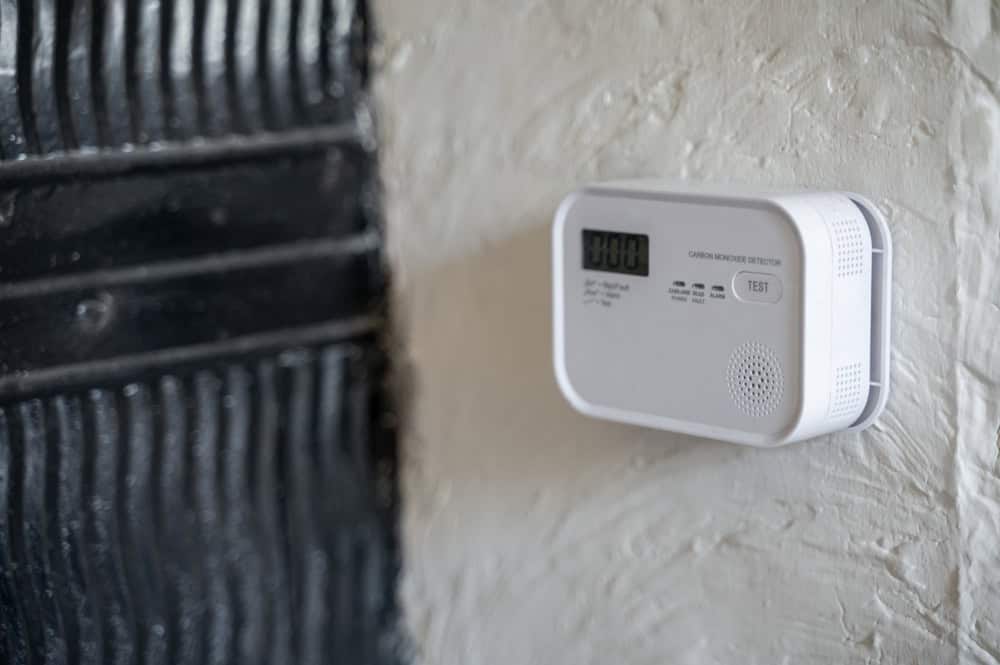
As a responsible homeowner, you understand the importance of keeping your family safe—especially if your home has fuel-burning appliances such as a furnace, boiler, water heater, or gas fireplace. Installing carbon monoxide (CO) detectors is one of the most important steps you can take.
But here’s something many homeowners don’t realize: not all carbon monoxide detectors are created equal.
What You Should Know Before You Buy
Walk into any big box store and you’ll find a wide range of reasonably priced carbon monoxide detectors. Many models feature basic indicator lights, an alarm, and a test button. While these devices do function as designed, it’s important to understand how they are designed to function.
Most standard CO detectors do not alarm until carbon monoxide levels reach approximately 70 parts per million (PPM).
The concern? Prolonged exposure to lower levels of carbon monoxide—below 70 PPM—can still impact your health. Symptoms may include:
- Nausea
- Headaches
- Brain fog
- Dizziness
- Incoherence
- Loss of consciousness
Long-term exposure to even moderate levels can pose serious risks.
What Makes a Better Detector?
Higher-quality carbon monoxide detectors often include an LED display that shows real-time CO levels. More importantly, many of these models alarm at much lower thresholds—some as low as 10 PPM.
This earlier detection provides an added layer of protection, alerting you before levels become dangerous.
Why This Matters More Than Ever
Today’s furnaces and boilers often don’t last as long as systems-built decades ago. Heat exchanger failures have become more common, and when that happens, carbon monoxide can enter your home’s living space.
That’s why it’s critical to ensure you have the right protection in place.
Do Your Homework
Before purchasing a carbon monoxide detector, take time to research:
- What PPM level triggers the alarm?
- Does it include a digital display?
- Is it rated for long-term, low-level detection?
When it comes to protecting your home and family, this isn’t an area to cut corners.
Carbon monoxide is odorless and invisible—but the right detector can make all the difference.