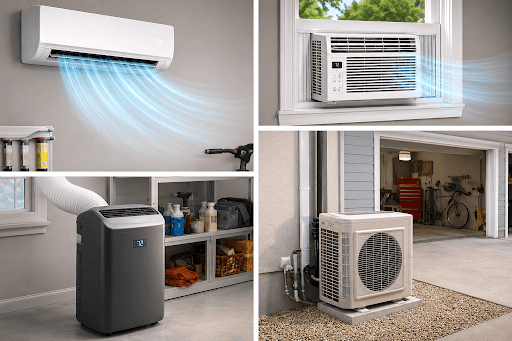
As temperatures continue to rise and businesses face increasing energy costs, ensuring your commercial air conditioning system is prepared for Summer 2026 has never been more important. A poorly maintained cooling system can lead to uncomfortable indoor conditions, higher utility bills, reduced productivity, and costly emergency repairs during the hottest months of the year.
Whether you operate an office building, retail store, healthcare facility, warehouse, or industrial property, investing in professional air conditioning commercial service before summer arrives can help protect your business from unexpected disruptions.
Why Summer Preparation Matters
Commercial air conditioning systems work hardest during peak summer months. When temperatures soar, HVAC equipment must operate continuously to maintain comfortable indoor conditions.
Without proper maintenance, systems may experience:
- Reduced cooling performance
- Increased energy consumption
- Unexpected equipment failures
- Poor indoor air quality
- Shortened equipment lifespan
Scheduling professional commercial AC service before summer allows technicians to identify and resolve minor issues before they become expensive breakdowns.
Warning Signs Your Commercial AC System May Not Be Ready
Many business owners overlook early signs of HVAC problems until cooling performance declines significantly.
Common warning signs include:
Uneven Cooling Throughout the Building
Hot and cold spots often indicate airflow restrictions, duct issues, or failing system components.
Rising Utility Bills
An inefficient air conditioning system requires more energy to produce the same cooling output.
Frequent Repairs
If you’re calling for repairs multiple times each year, your system may require comprehensive maintenance or upgrades.
Unusual Noises
Grinding, rattling, squealing, or banging sounds often indicate mechanical problems that require immediate attention.
Excess Humidity
Commercial air conditioning systems should effectively manage indoor humidity levels. Increased moisture may signal system inefficiencies.
Benefits of Commercial HVAC Maintenance Services
Preventive maintenance is one of the most cost-effective ways to improve HVAC performance and reduce long-term operating expenses.
Professional Commercial HVAC maintenance services help businesses:
-
Improve Energy Efficiency
Clean coils, calibrated thermostats, and properly functioning components reduce energy waste and lower operating costs.
-
Prevent Costly Breakdowns
Routine inspections allow technicians to identify worn components before they fail.
-
Extend Equipment Lifespan
Well-maintained systems experience less stress and often last significantly longer than neglected equipment.
-
Improve Occupant Comfort
Consistent temperatures help create a comfortable environment for employees, customers, and visitors.
-
Protect Business Operations
Unexpected HVAC failures can disrupt productivity and customer experiences. Preventive maintenance minimizes these risks.
Why AC Installation and Maintenance Work Together
Many businesses focus on installation but overlook long-term maintenance. However, even the most advanced systems require ongoing care.
Professional AC installation and maintenance for commercial properties ensures your equipment continues operating efficiently long after installation. Regular inspections help maintain manufacturer specifications and maximize system performance.
Businesses planning future HVAC upgrades should also evaluate system efficiency, energy consumption, and overall operating costs when considering replacement options.
Don’t Overlook Commercial Heating System Maintenance
Although summer preparation focuses on cooling performance, year-round HVAC success requires attention to heating systems as well.
Professional Commercial heating system maintenance and commercial heater maintenance help ensure your entire HVAC system remains reliable throughout every season.
By maintaining both heating and cooling equipment, businesses can:
- Improve system efficiency
- Reduce emergency repairs
- Extend equipment life
- Lower annual operating costs
- Enhance indoor comfort year-round
A comprehensive HVAC maintenance strategy supports better building performance regardless of seasonal demands.
Preparing for Summer 2026 Starts Now
Waiting until temperatures rise can leave your business vulnerable to unexpected breakdowns and scheduling delays. HVAC contractors often experience increased demand during peak summer months, making early preparation essential.
A professional commercial AC service inspection can evaluate system performance, identify potential concerns, and recommend solutions before they impact your operations.
Keep Your Business Comfortable All Summer Long
Summer 2026 may bring higher temperatures and greater cooling demands than ever before. Investing in routine maintenance today can help your commercial air conditioning system perform efficiently when you need it most.
Whether you need air conditioning commercial service, preventive maintenance, system upgrades, or expert HVAC support, preparing early can help reduce costs, improve comfort, and prevent disruptions throughout the summer season.
FAQs
1. How often should a commercial AC system be serviced?
Most commercial HVAC systems should be professionally inspected and maintained at least twice per year, ideally before summer and winter.
2. What are the benefits of commercial AC maintenance?
Routine maintenance improves efficiency, reduces energy costs, prevents breakdowns, extends equipment life, and enhances indoor comfort.
3. When should businesses schedule summer HVAC maintenance?
It’s best to schedule maintenance in spring before peak summer temperatures increase system demand and contractor availability becomes limited.
4. Can HVAC maintenance reduce energy bills?
Yes. Properly maintained systems operate more efficiently, often reducing energy consumption and lowering monthly utility expenses.
5. Is commercial heating system maintenance important during summer?
Yes. Year-round maintenance ensures both heating and cooling equipment remain reliable and helps prevent future HVAC issues.