Energy costs continue to rise across Pennsylvania, leaving many homeowners searching for smarter and more efficient heating and cooling solutions. One of the most cost-effective long-term options available today is a geothermal heat pump system. Homeowners looking for a reliable geothermal heat pump for home in Sugarloaf are increasingly turning to geothermal technology to reduce monthly utility bills while improving year-round indoor comfort.
Unlike traditional HVAC systems that rely heavily on outdoor air temperatures, geothermal systems use the stable temperature underground to efficiently heat and cool your home. But how much can geothermal actually save on energy bills? Let’s explore the real benefits and savings homeowners can expect.
How Geothermal Heat Pumps Work
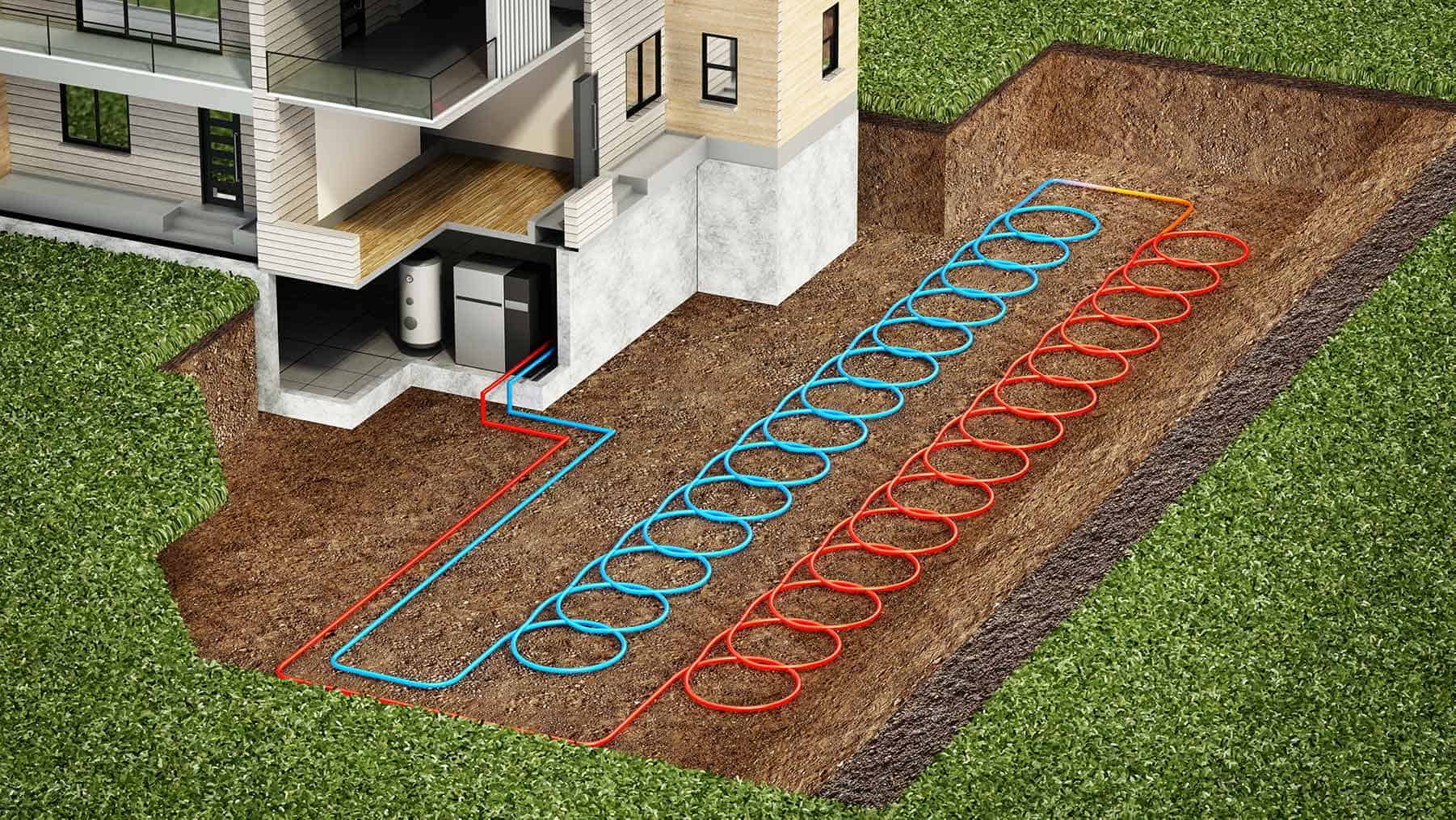
A geothermal heat pump in Sugarloaf works by transferring heat between your home and the ground through underground piping called a ground loop. During winter, the system pulls warmth from the earth and transfers it indoors. In summer, the process reverses, removing heat from your home and sending it back underground.
Because geothermal systems move heat rather than generate it, they use far less electricity than conventional furnaces and air conditioners. This high efficiency is one of the main reasons homeowners are switching from traditional heater pumps for homes to geothermal systems.
Average Energy Savings With Geothermal Systems
One of the biggest advantages of geothermal technology is long-term energy savings. According to industry estimates, homeowners can reduce heating costs by up to 70% and cooling costs by up to 50% compared to traditional systems.
For homes in Northeastern Pennsylvania, where winters can be harsh and summers humid, geothermal systems provide stable energy performance throughout the year. Many homeowners using heater pumps for homes in Northeastern PA notice significant reductions in monthly utility bills after installation.
While the upfront investment may be higher than a traditional HVAC system, the lower operating costs often allow homeowners to recover installation expenses over time through energy savings.
Factors That Affect Geothermal Savings
The exact amount you save depends on several important factors, including:
-
Home Size and Insulation
Larger homes naturally require more heating and cooling energy. However, well-insulated homes maximize geothermal efficiency and improve savings potential.
-
Existing HVAC Efficiency
Replacing an older, inefficient system with a modern geothermal unit typically results in greater energy savings.
-
Local Climate
Homes in regions with extreme seasonal temperatures often benefit more from geothermal systems because they maintain consistent efficiency year-round.
-
Energy Rates
As electricity and fuel costs continue to increase, geothermal systems become even more valuable due to their lower energy consumption.
Homeowners researching ac heat pump in Northeastern PA often discover that geothermal systems provide better long-term value despite the higher initial installation cost.
Long-Term Financial Benefits of Geothermal
Beyond monthly energy savings, geothermal systems offer additional financial advantages for homeowners.
-
Lower Maintenance Costs
Geothermal systems generally require less maintenance than traditional furnaces or air conditioners because they have fewer exposed mechanical components.
-
Longer System Lifespan
The indoor components of geothermal systems can last 20–25 years, while underground loops may last over 50 years with proper care.
-
Increased Home Value
Energy-efficient homes are highly attractive to buyers. Installing a geothermal heat pump for sale in Sugarloaf can improve your property’s resale appeal and overall value.
-
Potential Tax Incentives
Federal and state energy-efficiency incentives may help offset installation costs, making geothermal systems even more affordable for homeowners.
Is Geothermal Worth the Investment?
For many homeowners, geothermal systems deliver excellent long-term savings and environmental benefits. Although the initial installation cost is higher than standard HVAC systems, reduced utility bills and maintenance expenses often make geothermal one of the most cost-effective solutions over time.
If you plan to stay in your home for many years, investing in a geothermal heat pump for home in Sugarloaf can provide substantial financial returns while improving indoor comfort and energy efficiency.
Working with experienced geothermal professionals ensures proper system sizing, installation, and performance optimization tailored to your property and climate conditions.
Upgrade to Energy-Efficient Comfort Today
As energy prices continue to rise, more homeowners are turning to geothermal systems for dependable heating and cooling performance. Whether you are exploring heater pumps for homes in Northeastern PA or comparing ac heat pump prices in Northeastern PA, geothermal technology offers a smart solution for reducing long-term energy expenses.
Investing in geothermal today can help you enjoy lower utility bills, quieter operation, improved comfort, and reliable year-round performance for decades to come.
FAQs
1. How much can a geothermal heat pump save on energy bills?
Geothermal systems can reduce heating costs by up to 70% and cooling costs by up to 50%, depending on home size and energy usage.
2. Are geothermal systems expensive to install?
The upfront installation cost is typically higher than traditional HVAC systems, but long-term energy savings often offset the investment over time.
3. How long does a geothermal heat pump last?
Indoor geothermal components generally last 20–25 years, while underground loops can last more than 50 years.
4. Do geothermal systems work during cold Pennsylvania winters?
Yes, geothermal systems perform efficiently even during extreme winter temperatures because they rely on stable underground temperatures.
5. Is geothermal better than traditional heat pumps?
Geothermal systems are generally more energy-efficient, quieter, and longer-lasting compared to standard air-source heat pumps.