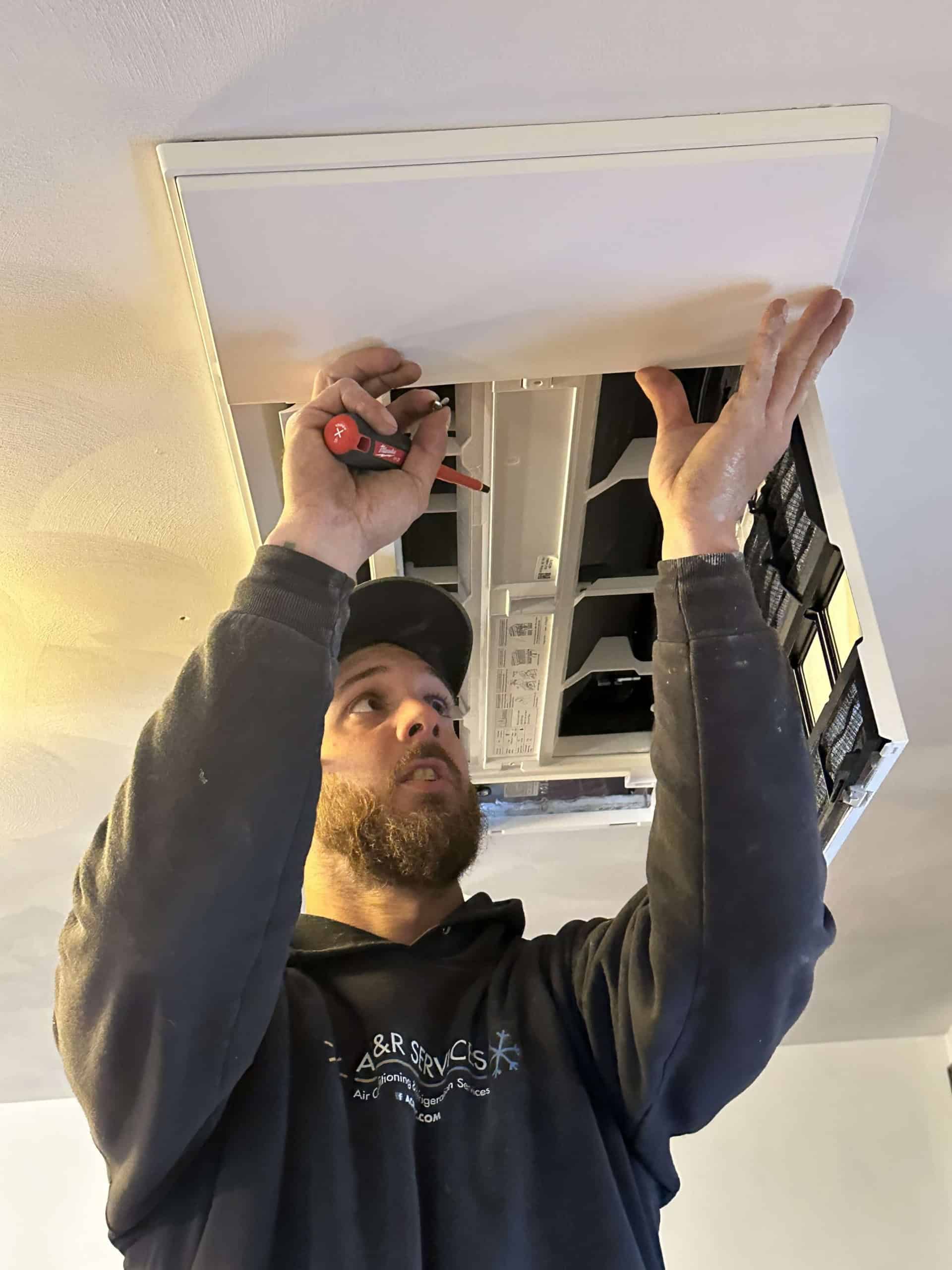
Energy loss is one of the biggest hidden expenses for homeowners and commercial property owners. Poor insulation, duct leaks, and inefficient AC&R Services silently drive up utility bills while reducing comfort. That’s why modern HVAC professionals rely on infrared thermography, a powerful diagnostic technology that detects energy leaks without invasive inspections.
Infrared thermography allows technicians to visualize temperature differences across walls, ceilings, floors, and equipment. By identifying hidden problem areas, companies like AC&R can recommend targeted solutions that improve efficiency, comfort, and long-term savings.
What Is Infrared Thermography?
Infrared thermography uses thermal imaging cameras to detect heat variations. Every surface emits infrared radiation, and specialized cameras convert that radiation into a visual map showing hot and cold spots.
These temperature patterns help technicians identify issues such as:
- Insulation gaps inside walls
- Air leaks around windows and doors
- Moisture intrusion affecting insulation performance
- Overheating electrical components
- Ductwork energy losses
Because this method is non-invasive, inspections can be completed quickly without damaging property or interrupting operations.
Why Finding Energy Leaks Matters
Energy leaks force HVAC systems to work harder to maintain indoor comfort. When conditioned air escapes through duct gaps or insulation failures, systems run longer and consume more power. Over time, this results in:
- Higher energy bills
- Increased wear on HVAC equipment
- Uneven indoor temperatures
- Reduced system lifespan
By identifying these leaks early, property owners can correct inefficiencies before they turn into expensive repairs or replacements.
How AC&R Uses Thermal Imaging in Real Inspections
During an inspection, trained technicians scan the building envelope, ductwork, and mechanical systems with thermal imaging cameras. The process reveals hidden inefficiencies that cannot be detected with visual inspection alone.
For example, thermal imaging can show where attic insulation has shifted, where cold air enters through framing gaps, or where duct joints are leaking conditioned air. Instead of guessing, technicians can pinpoint the exact problem areas and recommend precise solutions.
This targeted approach saves customers money because repairs are focused only where needed, avoiding unnecessary work while maximizing energy efficiency.
Improving Geothermal Heat Pump Performance
Infrared thermography is especially valuable when installing or servicing a geothermal heat pump for home systems. These high-efficiency systems rely on proper insulation, duct sealing, and balanced airflow to deliver maximum savings.
If energy leaks exist in the building envelope, even the most advanced geothermal system cannot operate at peak efficiency. Thermal imaging ensures the home is properly sealed so the system’s performance matches its design potential.
For homeowners planning to buy geothermal heat pump systems or exploring geothermal heating for homes, this diagnostic step helps protect their investment. Identifying insulation weaknesses or airflow problems before installation ensures the system operates efficiently from day one.
Supporting Long-Term Energy Savings
Thermal imaging is not just useful during installation, it also supports preventive maintenance. Over time, building materials shift, seals deteriorate, and insulation settles. Periodic thermographic inspections allow technicians to detect changes early and recommend corrective measures.
For property owners who buy geothermal systems or upgrade heat pump systems, ongoing monitoring helps maintain efficiency for years to come. Addressing small leaks today prevents major energy losses tomorrow.
By combining thermal diagnostics with professional HVAC expertise, AC&R helps customers reduce energy consumption, improve indoor comfort, and extend equipment lifespan.
Why Professional Thermal Inspections Matter
While handheld thermal cameras are becoming more common, accurate interpretation requires training and experience. Professionals understand how to account for environmental factors, reflective surfaces, and seasonal variations when analyzing images.
AC&R technicians use calibrated equipment and proven inspection methods to deliver reliable results. Their reports include clear visuals, detailed explanations, and actionable recommendations so property owners know exactly what steps to take next.
Final Thoughts
Infrared thermography has become an essential part of modern HVAC diagnostics. Revealing hidden insulation failures, air leaks, and duct losses, it allows technicians to solve problems quickly and efficiently.
For homeowners considering geothermal heating systems or planning to buy geothermal heat pump systems, thermal inspections ensure the building is ready to support high-efficiency performance.
FAQs
- What does infrared thermography detect in homes?
It detects insulation gaps, air leaks, duct losses, moisture intrusion, and overheating electrical components, all of which reduce energy efficiency. - Is thermal imaging useful before installing a geothermal system?
Yes. It ensures the home is properly sealed, allowing a geothermal heat pump to operate at peak efficiency. - How often should a thermal inspection be done?
Most homes benefit from an inspection every few years or before major HVAC upgrades or insulation projects. - Can thermal imaging reduce energy bills?
Yes. By identifying leaks and inefficiencies, repairs can significantly reduce wasted energy and lower utility costs. - Does thermal imaging damage walls or ceilings?
No. It is completely non-invasive and uses cameras to detect temperature differences without physical contact.