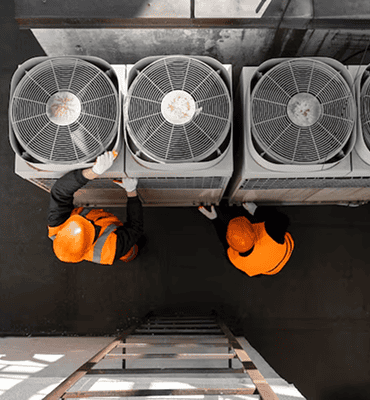
Cold weather can be tough on your HVAC system. As temperatures drop, your heating equipment works harder and longer to keep your home comfortable. Without proper care, this added strain can lead to breakdowns, higher energy bills, and reduced system lifespan. Understanding how winter conditions impact your HVAC system and what you can do to protect it can help you avoid costly repairs and stay warm all season.
Increased System Strain in Cold Temperatures
During winter, your HVAC system runs more frequently to maintain indoor comfort. This continuous operation puts extra stress on critical components like the blower motor, heat exchanger, and burners. Over time, this increased workload can cause wear and tear, especially if the system is older or poorly maintained.
What you can do:
Schedule regular inspections and maintenance before winter begins to ensure all components are working efficiently.
Reduced Efficiency and Higher Energy Bills
Cold outdoor air makes it harder for your HVAC system to generate and retain heat. As a result, your system may consume more energy to maintain the same indoor temperature, leading to higher utility bills.
What you can do:
Replace air filters regularly, seal air leaks around windows and doors, and use a programmable thermostat to manage heating more efficiently.
Frozen or Blocked HVAC Components
Extreme cold can cause moisture to freeze inside outdoor HVAC components, especially in heat pumps. Snow and ice buildup can also block airflow, reducing performance and potentially damaging the system.
What you can do:
Keep outdoor units clear of snow, ice, and debris. Ensure proper drainage around the unit to prevent ice formation.
Thermostat and Electrical Issues
Cold weather can affect electrical connections and thermostats, leading to inaccurate temperature readings or system malfunctions. Faulty wiring or aging thermostats may struggle to communicate properly with your HVAC system during winter.
What you can do:
Test your thermostat before winter and replace batteries if needed. Consider upgrading to a smart thermostat for better control and efficiency.
Dry Indoor Air and Comfort Problems
Running your HVAC system continuously in winter can dry out indoor air, leading to discomfort, dry skin, irritated sinuses, and static electricity.
What you can do:
Use a whole-home humidifier or portable humidifiers to maintain balanced indoor humidity levels for better comfort and air quality.
Ductwork Issues Exposed by Cold Weather
Leaky or poorly insulated ducts can lose a significant amount of heated air during winter. Cold air entering through duct leaks forces your HVAC system to work harder and reduces overall efficiency.
What you can do:
Have your ductwork inspected and sealed to prevent heat loss and improve consistent heating throughout your home.
Heat Pump Challenges in Freezing Conditions
Heat pumps are efficient but can struggle in extremely cold weather. When temperatures drop too low, they may rely on auxiliary heat, which uses more energy and increases operating costs.
What you can do:
Ensure your heat pump is properly maintained and consider a cold-climate heat pump designed for winter performance.
Increased Risk of Emergency Breakdowns
The combination of constant operation and freezing temperatures increases the risk of unexpected HVAC failures during winter often when you need heat the most.
What you can do:
Address small issues early, schedule preventative maintenance, and don’t ignore warning signs like unusual noises or uneven heating.
How to Prepare Your HVAC System for Cold Weather
- Schedule professional HVAC maintenance before winter
- Replace or clean air filters monthly
- Seal drafts and insulate your home
- Keep outdoor units clear of snow and ice
- Monitor system performance and energy usage
Final Thoughts
Cold weather can be demanding on your HVAC system, but with proper maintenance and smart preparation, you can keep it running efficiently all winter. Taking proactive steps now helps ensure comfort, lower energy bills, and fewer unexpected heating problems when temperatures drop.
Frequently Asked Questions (FAQs)
Q1: Does cold weather damage HVAC systems?
Cold weather doesn’t directly damage systems, but it increases strain and can expose existing issues.
Q2: How often should HVAC systems be serviced in winter?
At least once a year, ideally before the cold season begins.
Q3: Can ice buildup harm my HVAC unit?
Yes, ice can restrict airflow and damage components if not addressed.
Q4: Why does my heating bill increase in winter?
Colder temperatures require your system to work harder and run longer.
Q5: Should I turn off my HVAC system when it’s extremely cold?
No, turning it off can cause indoor temperatures to drop too low and increase strain when restarting.
Q6: Are heat pumps effective in cold climates?
Modern cold-climate heat pumps perform well, but older models may struggle in extreme cold.
Q7: Can poor insulation affect HVAC performance?
Yes, poor insulation causes heat loss and increases system workload.
Q8: What temperature should I set my thermostat in winter?
A consistent setting around 68°F (20°C) is generally energy-efficient.
Q9: How do I know if my HVAC system is struggling in winter?
Signs include uneven heating, strange noises, short cycling, or rising energy bills.
Q10: Is preventative maintenance really necessary?
Yes, it improves efficiency, reduces breakdown risk, and extends system lifespan.