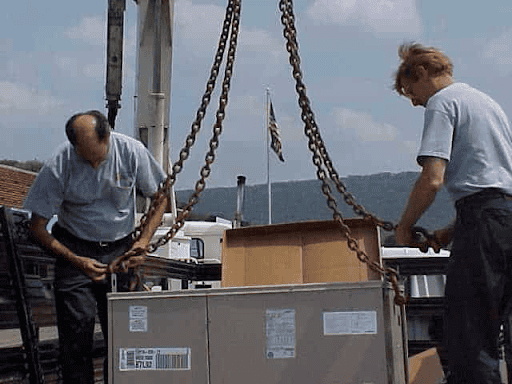
Commercial refrigeration equipment plays a critical role in keeping businesses running efficiently. Whether you rely on Reach-in Refrigerators, Dual-Temperature Refrigerators, Pass-Through Refrigerators, Merchandiser Refrigerators, Under-counter Refrigerators, or Worktop Refrigerators, unexpected breakdowns can lead to costly repairs, product loss, and operational disruptions.
The good news is that preventive maintenance can significantly extend the life of your refrigeration equipment. Combined with professional HVAC services, routine air conditioning service, and proper system inspections, regular maintenance helps improve efficiency, reduce downtime, and protect your investment for years to come.
Why Preventive Maintenance Matters
Commercial refrigeration systems operate around the clock. Components such as compressors, evaporator coils, condensers, fans, and thermostats experience continuous wear and tear. Without regular maintenance, minor issues can quickly become major problems that impact performance and shorten equipment life.
Preventive maintenance allows technicians to identify potential concerns before they lead to costly repairs. Regular servicing ensures all components are functioning properly, helping equipment operate at peak efficiency throughout the year.
Benefits of Preventive Refrigeration Maintenance
1. Longer Equipment Lifespan
Routine maintenance helps reduce strain on refrigeration components. Clean coils, properly calibrated thermostats, and well-maintained compressors work more efficiently, minimizing unnecessary wear.
Businesses that invest in scheduled refrigeration maintenance often see their equipment last several years longer than systems that receive only reactive repairs.
2. Lower Energy Consumption
Dirty condenser coils and clogged filters force refrigeration systems to work harder. This increased workload results in higher utility bills and greater stress on the equipment.
Preventive maintenance helps optimize performance, reducing energy consumption and lowering monthly operating expenses.
3. Reduced Risk of Product Loss
Businesses storing food, beverages, pharmaceuticals, or temperature-sensitive products cannot afford refrigeration failures.
Properly maintained Reach-in Refrigerators, Merchandiser Refrigerators, and Dual-Temperature Refrigerators are less likely to experience unexpected temperature fluctuations that can lead to spoiled inventory and financial losses.
4. Fewer Emergency Repairs
Emergency refrigeration repairs are often more expensive than planned maintenance visits. Regular inspections help detect worn components before they fail, allowing repairs to be scheduled at convenient times rather than during business-critical operations.
5. Improved Food Safety Compliance
Restaurants and food service facilities depend on consistent refrigeration temperatures to meet health and safety regulations. Preventive maintenance helps ensure equipment maintains proper temperatures and operates reliably.
Commercial Refrigeration Equipment That Benefits from Maintenance
Every refrigeration system benefits from professional servicing, including:
- Reach-in Refrigerators
- Dual-Temperature Refrigerators
- Pass-Through Refrigerators
- Merchandiser Refrigerators
- Under-counter Refrigerators
- Worktop Refrigerators
- Walk-in Coolers
- Walk-in Freezers
Each type of equipment has unique maintenance requirements that should be addressed by experienced refrigeration technicians.
The Connection Between Refrigeration and HVAC Systems
Many business owners overlook the relationship between refrigeration equipment and overall building performance. Professional HVAC services can play a critical role in supporting refrigeration efficiency.
Proper ventilation, indoor temperature control, and air circulation can reduce stress on refrigeration systems. Businesses that regularly schedule air conditioning service often experience improved equipment performance because cooling systems help maintain stable indoor environments.
In some cases, upgrading an outdated cooling system through professional AC installation can improve energy efficiency across the entire facility, benefiting both HVAC and refrigeration operations.
How Often Should Refrigeration Equipment Be Serviced?
Most commercial refrigeration systems should undergo professional maintenance at least twice per year. High-demand facilities such as restaurants, supermarkets, and healthcare facilities may require more frequent inspections depending on usage levels.
A customized preventive maintenance program helps ensure equipment remains reliable while minimizing operational disruptions.
Protect Your Investment with Professional Maintenance
Commercial refrigeration equipment is essential for business success. Investing in preventive maintenance helps extend equipment life, reduce repair costs, improve energy efficiency, and protect valuable inventory.
Whether your business relies on Pass-Through Refrigerators, Worktop Refrigerators, or large-scale refrigeration systems, regular professional maintenance can help maximize performance and deliver long-term savings. Partnering with experienced refrigeration and HVAC professionals ensures your equipment continues operating efficiently year after year.
FAQs
1. How often should commercial refrigeration equipment be maintained?
Most commercial refrigeration systems should be professionally serviced at least twice a year, though high-use facilities may require quarterly maintenance.
2. What are the signs that a refrigerator needs maintenance?
Common signs include temperature fluctuations, excessive frost buildup, unusual noises, higher energy bills, and frequent cycling.
3. Can preventive maintenance reduce energy costs?
Yes. Cleaning coils, checking refrigerant levels, and inspecting components helps refrigeration systems operate more efficiently and consume less energy.
4. Which refrigeration units benefit most from preventive maintenance?
All systems benefit, including Reach-in Refrigerators, Dual-Temperature Refrigerators, Pass-Through Refrigerators, Merchandiser Refrigerators, Under-counter Refrigerators, and Worktop Refrigerators.
5. How do HVAC services support refrigeration equipment?
Professional HVAC services help maintain proper indoor temperatures, ventilation, and airflow, reducing strain on refrigeration equipment and improving overall efficiency.